November 25, 2025
Hopscotch Air plans to raise up to $20 million, grow Cirrus fleet, eye eVTOLs serving the Boston to Philadelphia corridor.
Hopscotch Air plans to raise up to $20 million through a direct public offering.
CEO and Co-founder Andrew Schmertz broke the news via social media.
He posted, “Hopscotch Air is going public! Hopscotch Go, our parent company, has filed an offering circular with the SEC and engaged a market maker to reserve the ticker symbol UHOP with the FINRA and OTC Markets.”
The filing says it will sell up to 10 million shares at $2 per share.
No minimum number of shares must be sold to close the offering.
Schmertz tells Private Jet Card Comparisons the approach came after it “looked at the best way to raise capital” via the “broadest pool of investors.”
It plans to use the funds to add 10 Cirrus piston aircraft.
The FAA Part 135 list of operators currently shows three tails available for charter.
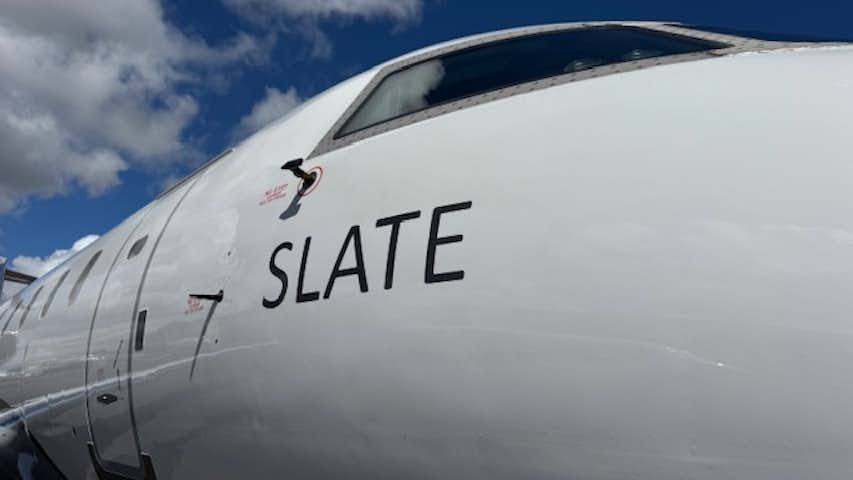
It currently operates SR22 and SR20 single-engine piston airplanes.
Two more of the types are scheduled to enter the fleet by Spring 2026.
Hopscotch believes the New York, Boston, and Philadelphia markets could support a fleet of up to 20 similar aircraft.
There are no plans to add the SF50 Vision Jet, he said.
During the peak season, Hopscotch turns away at least one flight per day due to fleet constraints, according to Schmertz.
Hopscotch Air, Inc. was initially formed on June 6, 2008, by Andrew Schmertz, Anthony Schmertz, Douglas Okin, and Peter Clark.
Each shareholder contributed $50,000 in exchange for 100 shares of HAI.
Anthony Schmertz and Peter Clark have since sold their shares back to HAI in exchange for being released from their personal guarantees.
In August 2021, the Board of Directors authorized the creation of Hopscotch Acquisition Corporation for the purposes of acquiring Hopscotch Air, Inc. in a stock swap agreement, so that it could own 100% of Hopscotch Air, Inc.
Hopscotch says it is in an attractive market position.
Schmertz says most of its flights are under 200 miles.
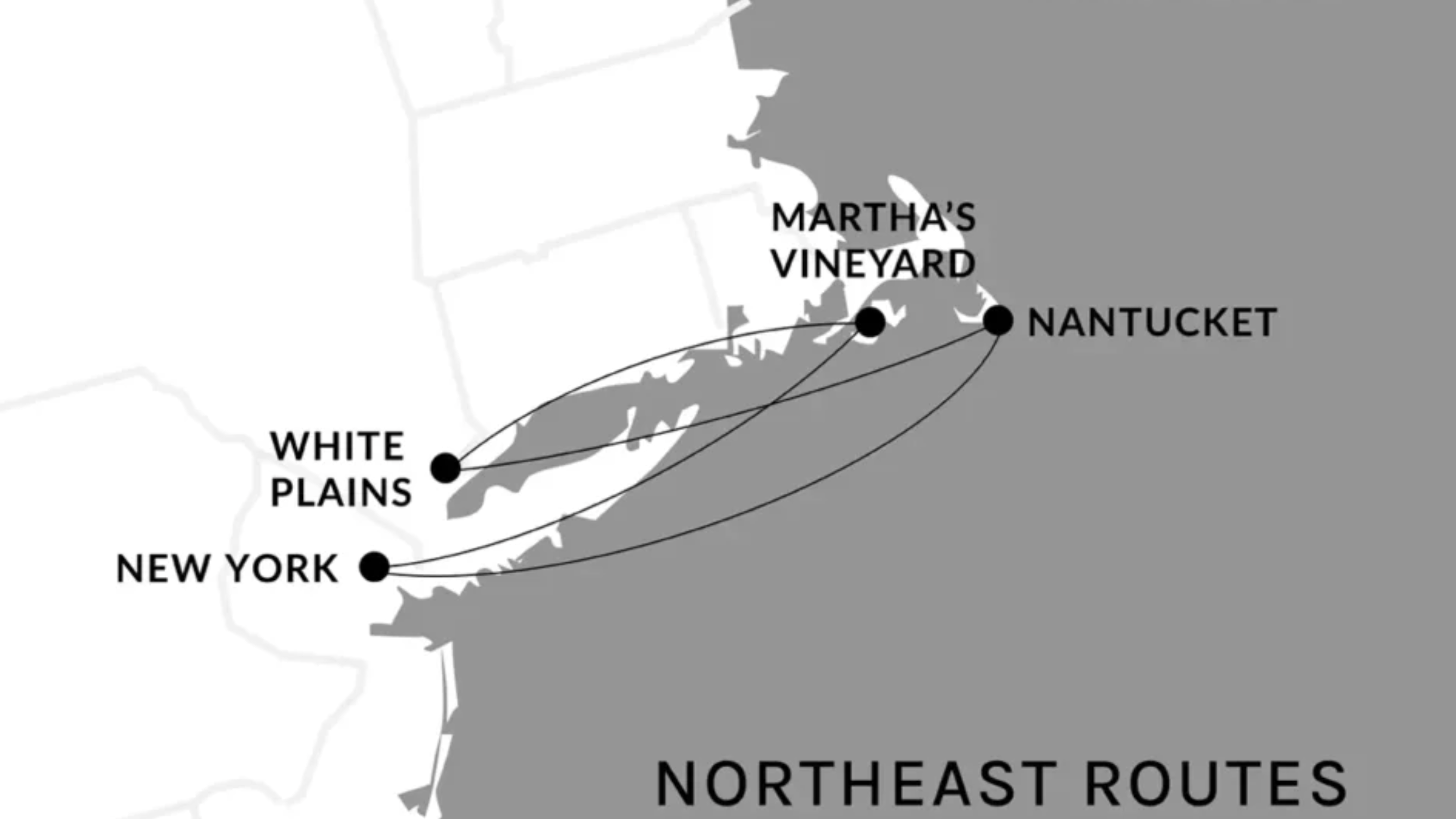
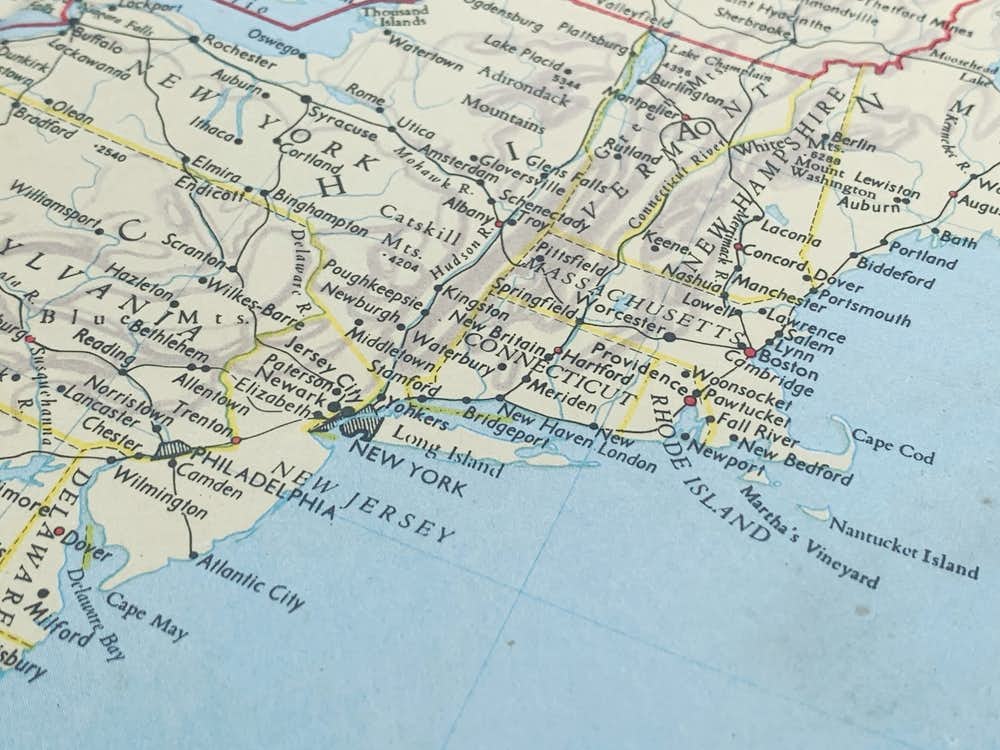
They serve flyers traveling to or from small airports along the highly populated Boston-to-Philadelphia corridor.
The airports generally lack nonstop flights to clients’ destinations or any scheduled flights at all.
Most flights replace long car drives on congested highways.
A 30-minute flight from New Haven, Connecticut, to Suffolk County on Long Island could save more than five hours of driving.
The filing states:
‘We occupy a unique space in the on-demand air taxi and regional air mobility business. We operate a fleet of technologically advanced Cirrus SR22 and SR20 aircraft, offering service throughout the northeast at prices far below traditional charter. We can do this because the aircraft are highly fuel efficient and technologically advanced. The direct operating costs, which include fuel and maintenance, are about $175 per hour We never use the word charter and instead call ourselves an air taxi. We fly branded airplanes and are aggressive in marketing our services, mostly through earned media, digital advertising and key partnerships with larger companies.’
Last year, Hopscotch flew around 900 revenue legs and 1,000 flight hours with three airplanes, according to the filing.
The filing says Hopscotch envisions an “opportunity in airline-adjacent businesses, including maintenance.”
It noted, “Hopscotch Air also owns the IATA code O2, which is provided by the International Air Transport Association.”
The codes are used to appear on online travel agency websites and reservation systems that allow travel agents and consumers to book flights.
Hopscotch noted, “To date, we have opted not to have our fares quoted on any of the OTAs.”
That would entail offering scheduled flights at fixed prices.
Additional benefits of expansion include “owning and operating our own maintenance facility would reduce costs, reduce the downtime of aircraft, and provide additional revenue from other aircraft operators.”
More possibilities call for adding “electric aircraft.”
Hopscotch said, “If those aircraft get certificated, they can provide cost savings in terms of both fuel and maintenance expense.”
It added, “However, it’s impossible to model those projections currently, due to too many unknown variables.”
For now, Hopscotch is telling investors, “We are developing a plan to take advantage of electric vertical take-off and landing aircraft (eVTOLs), which are being developed by several major manufacturers and could enter the market by the end of the decade.”
It has letters of intent with Bye Aerospace and Electron, both producers of fixed-wing electric aircraft.
A collaboration with Archer Aviation “could result in significant savings compared to the cost of licensing we pay for several other third-party software tools we utilize today.”
According to the financial statements included with the offering, Hopscotch Air generated $840,800 in revenue in 2024.
That was down from $897,588 the year before.
Operating income increased to $7,015 from $3,978.
Net loss in 2024 also dropped from $93,994 to $78,018.
However, the first half of 2025 revenues ended at $195,325.
The filing notes that the period includes only one month of its traditional peak season.
July, August, and September are peak demand periods.
Offseason operations resulted in a loss from operations of $156,623.
Net loss for the first six months was $167,288.
However, it remained in the black on gross profit, with $8,754 in the first half of the year.
That excluded payroll and related expenses, as well as selling, general, and administrative expenses.
Hopscotch offers a dynamic pricing jet card program.
Customers deposit at least $25,000 and receive a 10% discount on flights.
Schmertz says no changes to the current program are envisioned.
Read the full filing here.

Find the perfect solution for your private aviation needs
Save Time. Buy Confidently.
Receive an apples-to-apples comparison of programs that meet your needs from more than 500 jet card and fractional options covering 65 points of differentiation and over 40,000 data points.