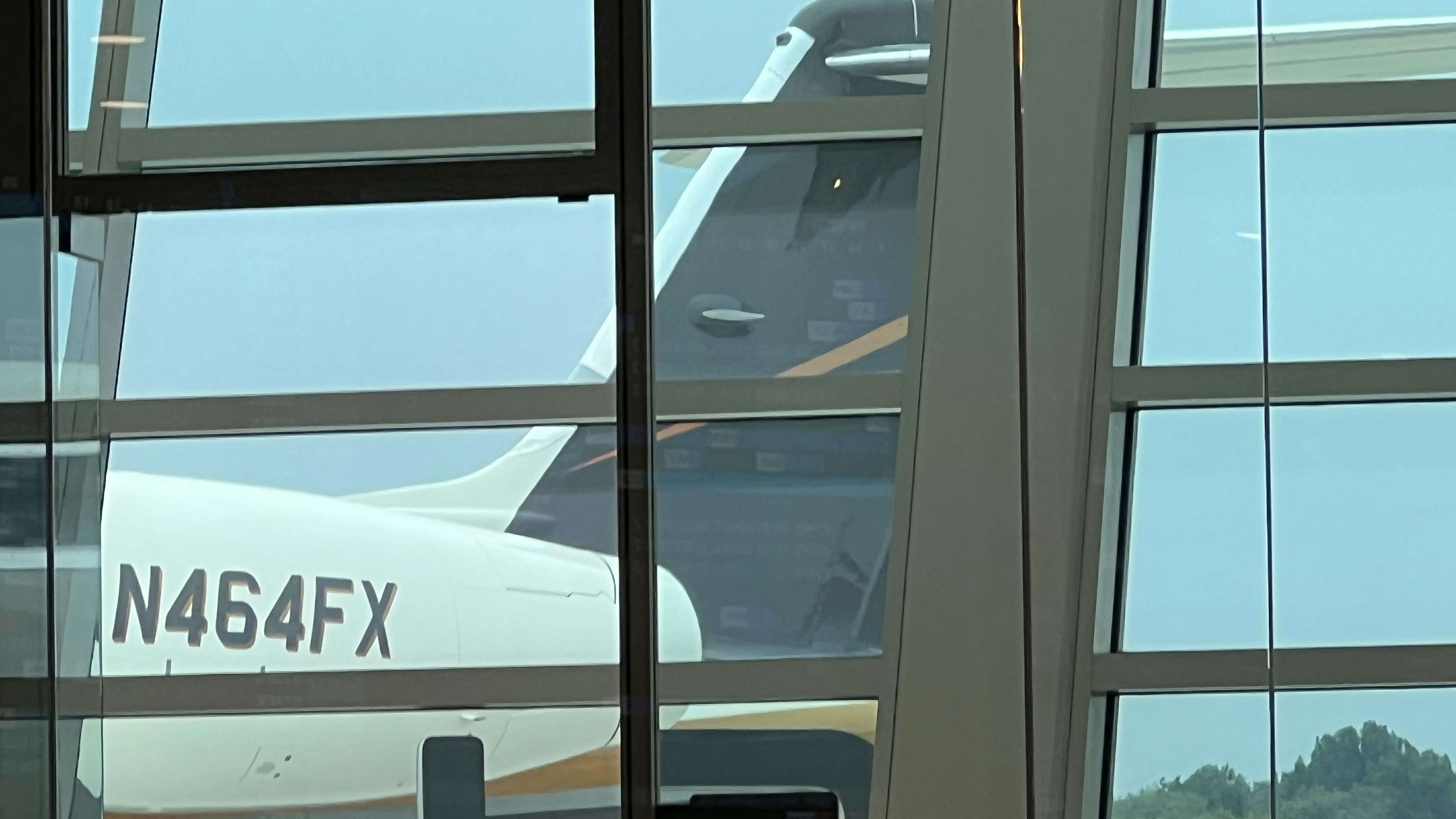
The United States Sixth Circuit Court of Appeals has reversed a verdict that would have seen Flight Options, LLC, liable for $39 million in unpaid taxes.
The unpaid taxes related to the 7.5% Federal Excise Tax assessed on air transportation.
From January 1, 2009, through March 31, 2012, the IRS had contended that $24 million in uncollected taxes existed.
With penalties, the government was seeking $39 million.
The appeal was argued on April 30, 2026.
The case was decided and filed on May 27, 2026
Flight Options, LLC is part of Directional Aviation.
Direction Aviation brands included Flexjet, FXAir, Sentient Jet, Nextant Aerospace, Corporate Wings, and others.
Flight Options provided fractional ownership and jet cards alongside Flexjet until around 2016, when Directional switched its focus to Flexjet exclusively.
Case Summary
The question was whether the FET was due on monthly management payments made by fractional owners in addition to their payments for actual flights.
The reversal notes, “Flight Options determined that the tax applies only to usage charges for each flight a client takes, not to fixed fees it charges its clients for overhead and management of its fractional jet business.”
However, “The District Court disagreed. It held that Flight Options should have collected taxes on the fixed-fee charges as well and that, having failed to collect them, it must pay the balance, with interest and penalties to boot.”
The Appeals Court wrote, “Because the ticket tax applies only to usage charges for each flight, not to fixed charges for overhead and management costs, we reverse.”
The Appeals Court wrote in part:
‘Flight Options’ fixed fees do not constitute payments for “transportation by air.” The monthly and membership fees provide neither a “fare” nor a “ticket” nor “the right to transportation.” They instead provide the option to purchase flight hours—an option that fractional owners and jet members may exercise only after paying the hourly usage fee. Unlike usage charges, which correspond to a specific flight, membership and monthly fees accrue “regardless of [users’] flying activity.” R.75-7 at 22. Many of the services covered by the fixed fees, such as insurance, depreciation repairs, and ground inspections, correspond with the costs of owning a plane rather than flying one and, appropriately enough, scale in “direct proportion” to a fractional jet owner’s share of the fleet. Id. Still other costs covered by the fixed fees go toward the kinds of charges expressly excluded by the regulations: aircraft storage, hangar space, safety inspections, and interior maintenance.’
Last May, a spokesperson told Private Jet Card Comparisons, “This case has languished for more than a decade through no fault of Flight Options.”
The spokesperson said back then:
‘The law in place during the tax periods in question was rendered moot by a change in the applicable tax law in 2012, which provided a much clearer method for determining the taxation of fractional aviation operations. As a result, the conclusions of this case have no impact on the future operations of Flight Options or any other fractional aviation program. For the periods in question, the IRS has not required any competitors of Flight Options to pay this tax and instead has unfairly targeted Flight Options. Flight Options disagrees with the Court’s decision, and we are assessing our options for appeal.’
While Flight Options no longer operates as a consumer brand, it still holds an active FAA certificate.
According to the latest FAA data, Flight Options has four Nextant 400XTi light jets on its charter certificate.
The old FlightOptions website now redirects to Flexjet.
Another Win
It’s the company’s second court win this year.
In January, Flexjet, LLC, settled its litigation against Honeywell for cash, services, and credits totaling over $1 billion.
READ: Flight Options v. United States of America