Last night, Honeywell announced it had reached an agreement to settle a lawsuit by Flexjet.
This morning, Flexjet added its comments.
Flexjet had been seeking over $1 billion from the company that makes engines for much of its private jet fleet – something it says it achieved.
Honeywell’s statement was brief.
It said the duo had “reached a comprehensive agreement to resolve their pending litigation and look forward to rebuilding the parties’ commercial partnership.”
Per Honeywell, “The agreement will resolve in full all pending claims among and between the parties, as well as related litigation involving StandardAero and Duncan Aviation.”
The statement continued, “Simultaneously, and as partial consideration for the resolution of the litigation, Honeywell and Flexjet have agreed to extend their aircraft engine maintenance agreement through 2035.”
The jet engine maker added, “Honeywell and Flexjet look forward to working collaboratively going forward.”
A Flexjet spokesperson says, “This agreement places supplier accountability at center stage, and we hope it further unites the industry around a matter essential to private aviation operators both large and small.”
The spokesperson adds, “With a value surpassing a billion dollars in cash considerations and service credits, it sets a powerful precedent for businesses seeking to correct similar supplier transgressions.”
He continues, “Our hope is that the litigation, and now agreement, serve as a case study reinforcing the importance of supplier relationships built on authentic commitment, principled conduct, and consistent delivery.”
Flexjet Vs. Honeywell
In December, Honeywell hinted a settlement was in the works.
In a filing with the SEC at the time, Honeywell said it was negotiating with Flexjet to settle pending litigation.
Back then, Honeywell wrote that it expected “any comprehensive settlements will include one-time cash payments to the parties to the Flexjet-related litigation matters totaling approximately $470 million in the aggregate.”
In a statement to Private Jet Card Comparisons after the SEC filing, a spokesperson for Flexjet said:
‘As disclosed in Honeywell’s 8‑K filed earlier today, we are actively engaged in ongoing negotiations in pursuit of an agreement that is comprehensive, and in alignment with the terms agreed upon and upheld via litigation of the original Master Services Agreement (MSA). Honeywell’s $470 million disclosure is an accounting recognition, not the result of a finalized agreement to have a value to Flexjet of in excess of $1 billion. While discussions remain ongoing, we are encouraged by Honeywell’s public acknowledgment of the significance of this matter. Our continued focus is on achieving a resolution that strengthens accountability and reinforces the importance of service reliability for the aviation industry at large.’
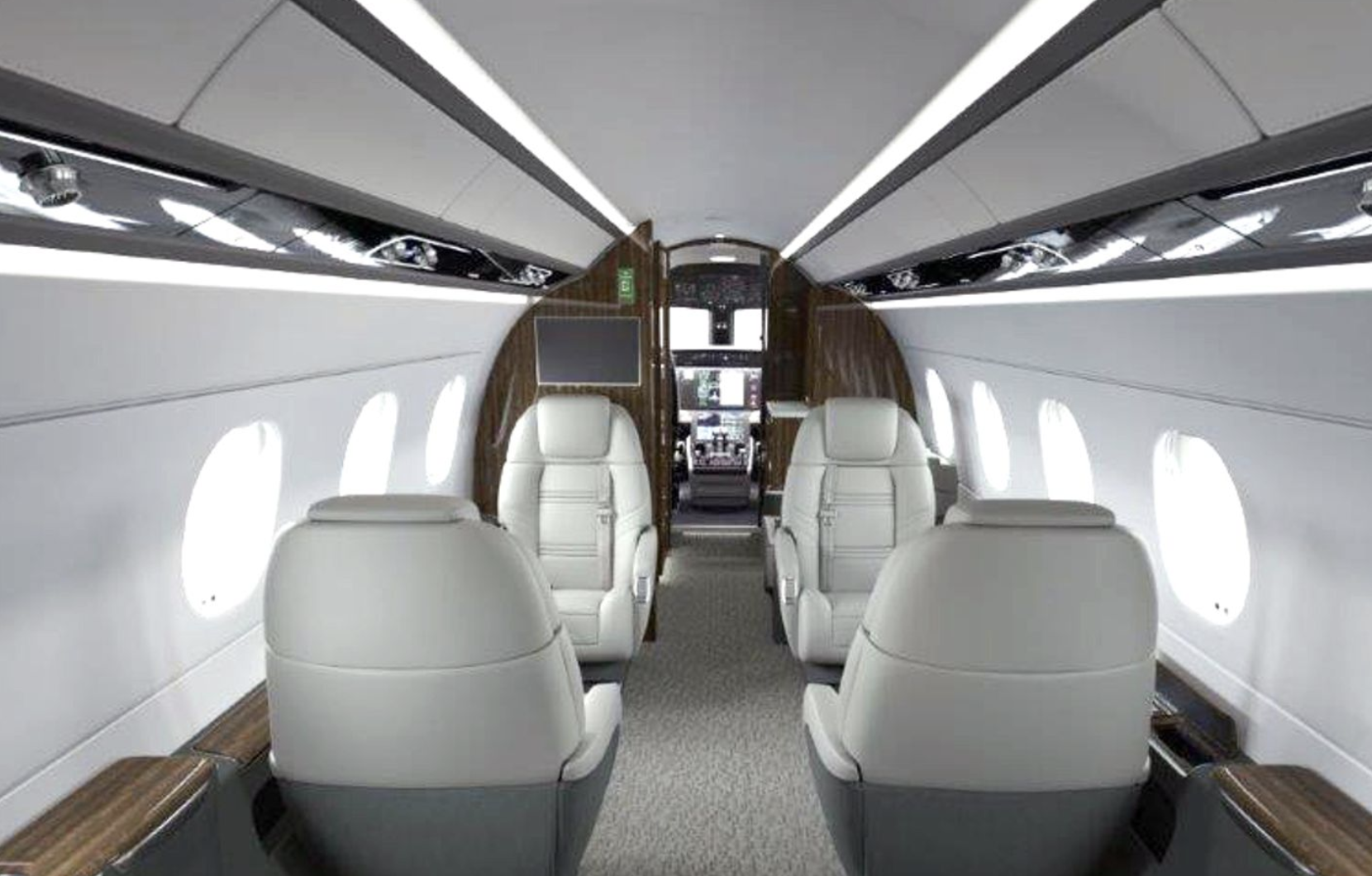
Honeywell produces the engines powering Flexjet’s Challenger 300, Praetor 500, and Praetor 600 private jet fleets.
Poor Service Support
Flexjet said Honeywell’s failure to repair or provide replacement engines promptly caused a large number of its fleet to be grounded.
At some points, more than one-third of its aircraft with Honeywell engines were unavailable.
Flexjet Chairman Kenn Ricci said in an interview last year, “At the peak – December of 2024 and January 2025 – there were 91 engines off-wing supported by a small percentage of rental engines for a net impact of nearly 40 aircraft parked. At that time, some engines had been out of service for nearly three years.”
During the Corporate Jet Investor conference in Miami, Nicholas Air CEO Nicholas Correnti put OEMs and MROs on blast.
“I don’t think there’s a supply chain issue… We’re producing airplanes at a staggering rate, and the backlogs are 18 months, two years, depending on the OEM,” Correnti noted, before adding, “All those airplanes being produced and sold off the assembly lines have to have the parts that the current aircraft that are in circulation need.”
Part of the Flexjet litigation found that Honeywell prioritized new aircraft deliveries over supporting existing customers.
Despite the challenges, Flexjet has maintained high satisfaction ratings in the annual Private Jet Card Comparisons subscriber survey.
After seeing the percentage of respondents who rate its service excellent or very good drop from 90% in 2020 to 80% in 2021, over 95% of its customers have given it the top ratings for the past three years.