UK-based Air Charter Service saw revenue increase 10.3% in its most recent financial year.
The year ended Jan. 31, 2026.
Total revenues ended at $ 1.34 billion.
Growth was driven by a 19.1% increase in private jet revenue.
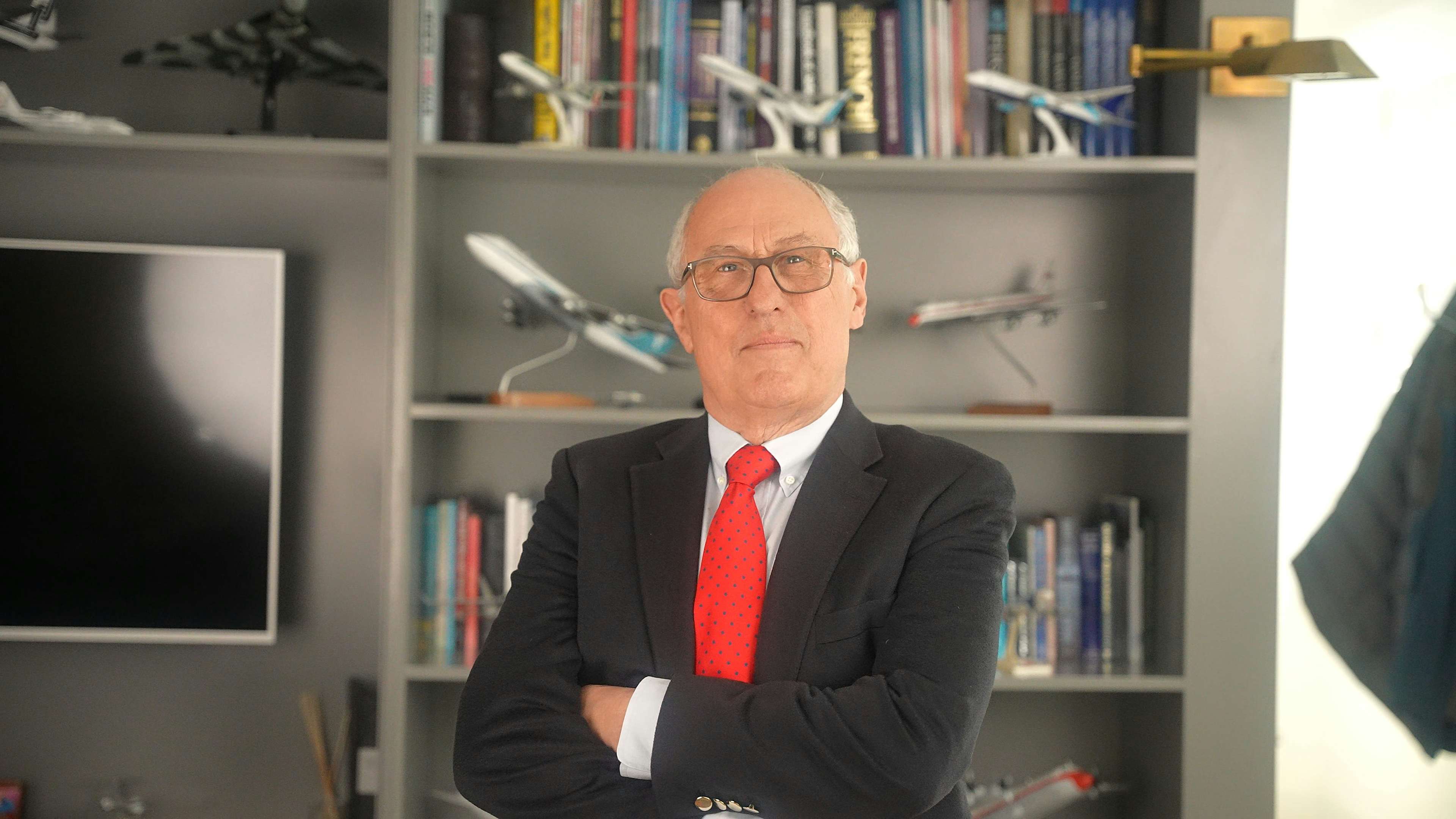
Chairman Chris Leach says, “We had an exceptionally pleasing 2025, with both charter numbers and revenue increasing across all divisions: private jets, group travel, cargo, leasing, and time-critical services.”
He continues, “Of our three main divisions, private jets saw the largest revenue growth, with figures up 19.1% on 2024.”
Leach attributed the increase to several factors, including its jet card program.
Its helicopter charter business saw a 44% jump.
The company also had a “healthy increase” in group charter.
Air Charter Service’s team also set two distance records for the longest brokered charter flights.
There were Dallas-to-Sydney and Perth-to-Los Angeles charters.
Its ACMI & Leasing team saw the largest growth across all divisions with a 168% year-over-year gain.
ACMI stands for aircraft, crew, maintenance, and insurance.
Air Charter Service also opened six new offices in the financial year.
Earlier this month, it opened its first office in Belgium.
Leach concluded, “Especially pleasing is that our investments in new technology and efficiencies have paid dividends, resulting in our EBITDA growing by 33%.”
He added, “This shows the continued financial health of the company, ensuring that we are comfortably the largest charter broker in the world, although we still have significant further growth plans.”