FlyEpic is betting there is room for a new guaranteed turboprop program.
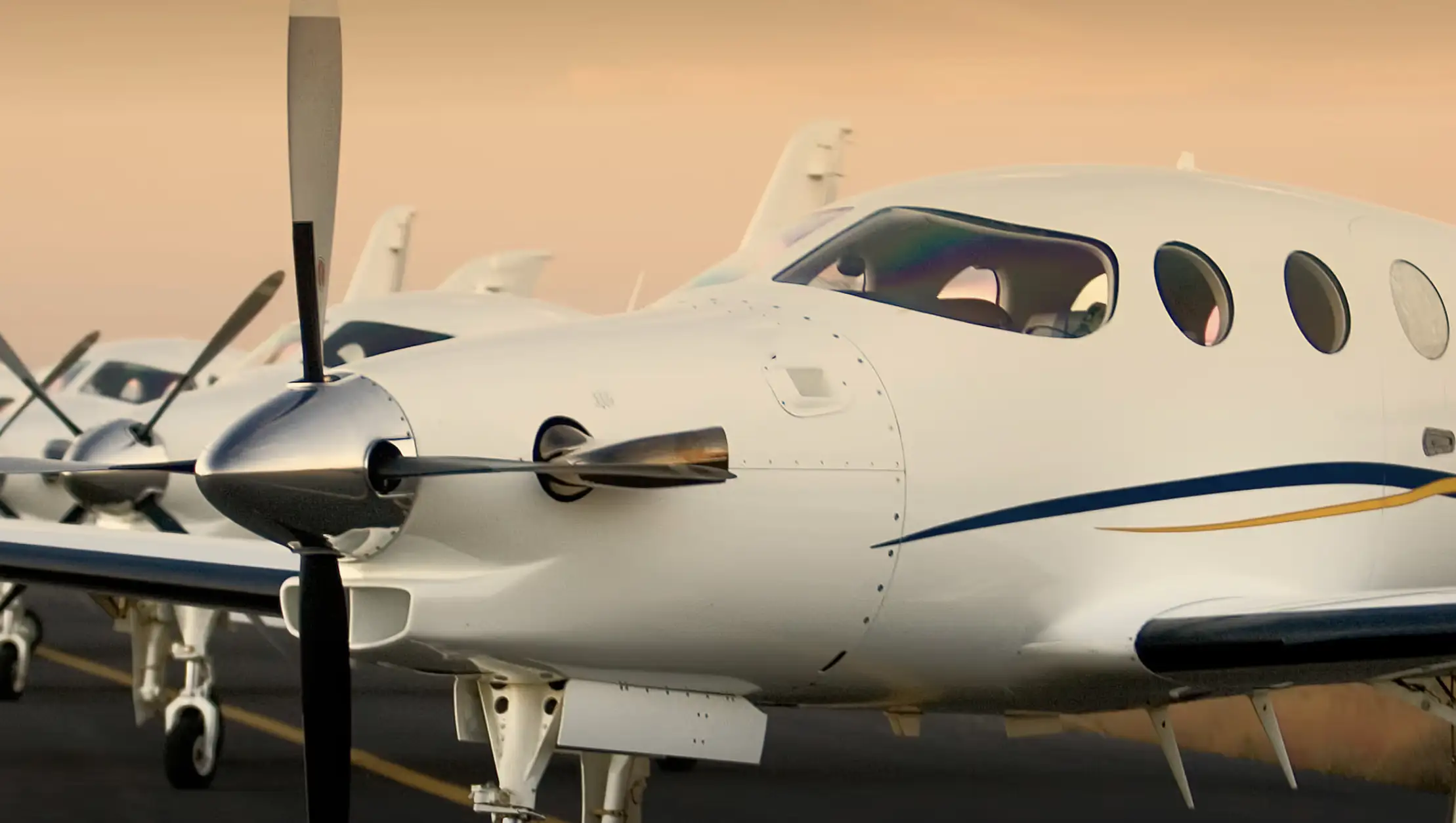
The company, which is separate from the manufacturer Epic Aircraft but shares a common owner, sells fractional and jet card programs for the OEM’s Epic E1000 GX.
Its initial focus is on the U.S. Pacific and Mountain states.
The attraction for customers is access to shorter runways and cost-effective short flights that often replace long and circuitous road journeys.
While Wheels Up pulled its King Air program in the West back in 2023, FlyEpic faces competition from PlaneSense, Skyshare, and West Coast Aviation Services, all of which offer fractional turboprop programs in the region.
Bend, Oregon-based FlyEpic launched the fractional program in January and recently followed up with a jet card.
It is currently operating under Part 135 rules via Direct2, a sister company, as it finishes its Part 91k management specifications.
CEO and Co-founder Toby Woods says, “I come from the world of Alaskan aviation and a world of roll up your sleeves, under promise, and overdeliver.”
FlyEpic History
The company launched last summer, assembling a team and setting up its operational and compliance infrastructure, from writing training manuals to refining messaging as it came to market.
Direct2, which Woods owns, also serves wholesale and retail customers.
It currently has four E1000s in its fleet.
While Epic Aircraft is supportive of Fly Epic, Woods says the OEM operates separately and is not involved in business decisions.
Fly Epic Founder Tanya Eves is chairperson of the board at Epic Aircraft.
In terms of programs, Woods says offering 25-hour jet cards alongside fractional ownership enables FlyEpic to “meet customers where they are.”
He says the first jet card customer also owns a Praetor jet share with Flexjet but uses the E1000 for flights between Las Vegas and Los Angeles.
In fact, Woods believes fractional jet owners are an attractive target for both its jet card and fractional programs.
Woods says, “Pulling people down into this nimble solution, getting into more airports, getting the kids home from college, getting to the ski slopes, is easier than lifting them from first class or occasional charter because they’ve already accepted the fixed costs of private aviation.”
FlyEpic is taking advantage of Epic Aircraft’s move from essentially a pure owner-pilot customer to one where around 30% are now being ordered for commercial use.
The latest FAA data shows that eight of the single-engine turboprops are currently available for charter.
FlyEpic plans to add three more in 2027.
The goal is to get to 30 aircraft in five years.
Along with fleet growth, Woods sees growing nationally.
FlyEpic Programs
Currently, the primary service area includes Arizona, California, Colorado, Idaho, Montana, New Mexico, Nevada, Oregon, Utah, Washington, and Wyoming.
Flights beyond the PSA are limited to five annually for fractional owners and carry a 30% surcharge.
You can also fly to destinations in Canada and Mexico that are in the Pacific and Mountain time zones.
Non-peak callout for fractional owners is 24 hours, while jet card owners have a 48-hour callout.
There are only 10 peak days in the program.
Segment minimums are 60 minutes plus 12 minutes of taxi time.
The jet card is $4,500 per hour, plus FET and possible fuel surcharges.
Fractional ownership starts at $285,400 for a 1/16th-share based on vintage.
The 1/16th share provides 50 hours of flying per year.
There is a $10,000 monthly management fee.
Going up to the 1/8th share, or 100 hours, monthly management only goes to $15,000.
Occupied hourly rate is $1,500, plus FET and possible fuel surcharges.
There is a minimum 3.5% annual CPI escalator.
Epic E1000
The turboprop-powered Epic E1000 features a pressurized cabin.
Since its introduction in the early 2020s, over 100 have been delivered to customers.
It is powered by a Pratt & Whitney Canada PT6A turboprop engine, delivering about 1,200 horsepower.
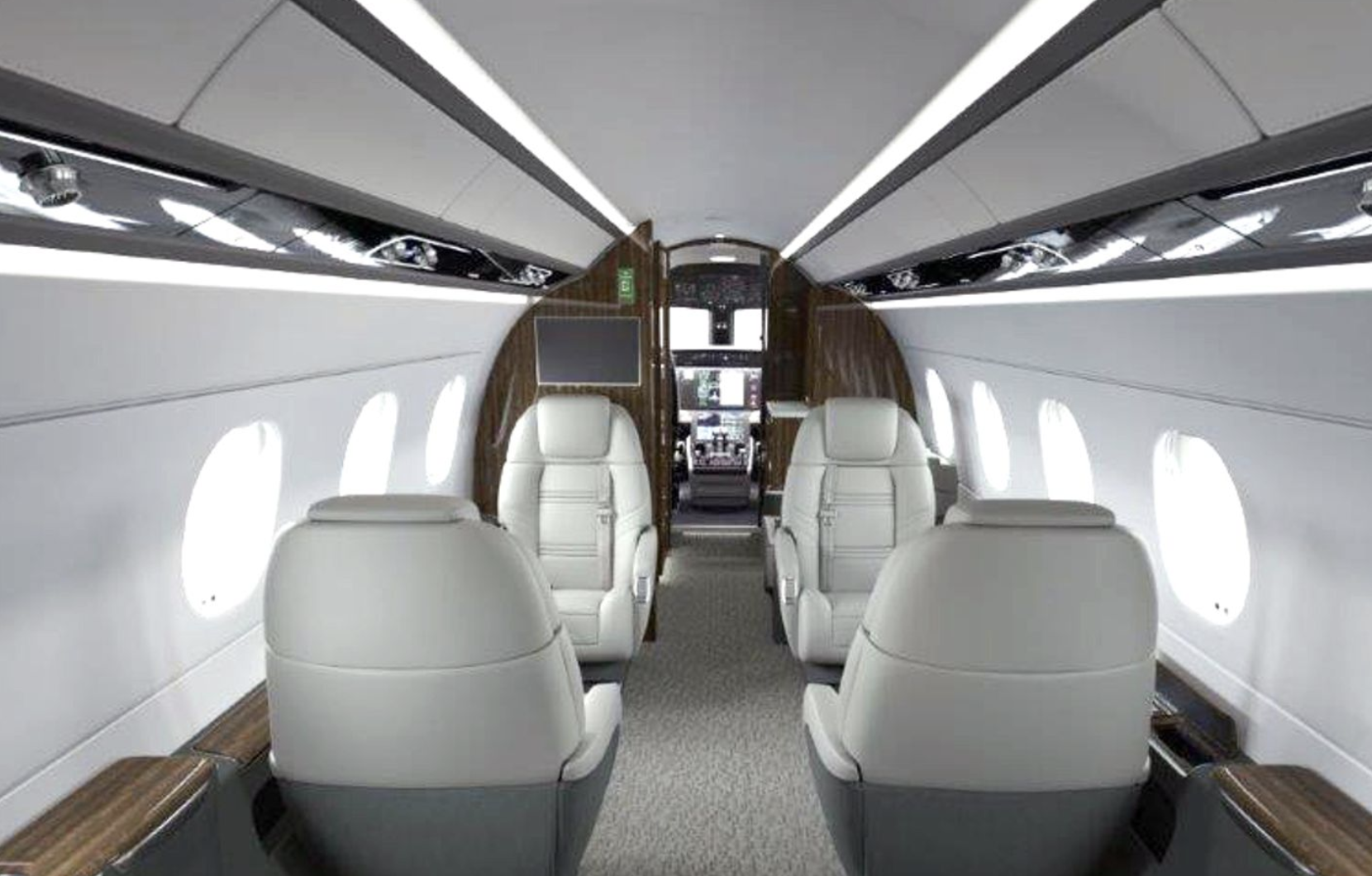
The E1000 seats four passengers with two pilots.
The aircraft’s cabin measures 15 feet long, 4.7 feet wide, and 4.11 feet high.
Cruising speed is approximately 360 miles per hour.
The main drawback is the lack of a lavatory.
FlyEpic includes Starlink WiFi.