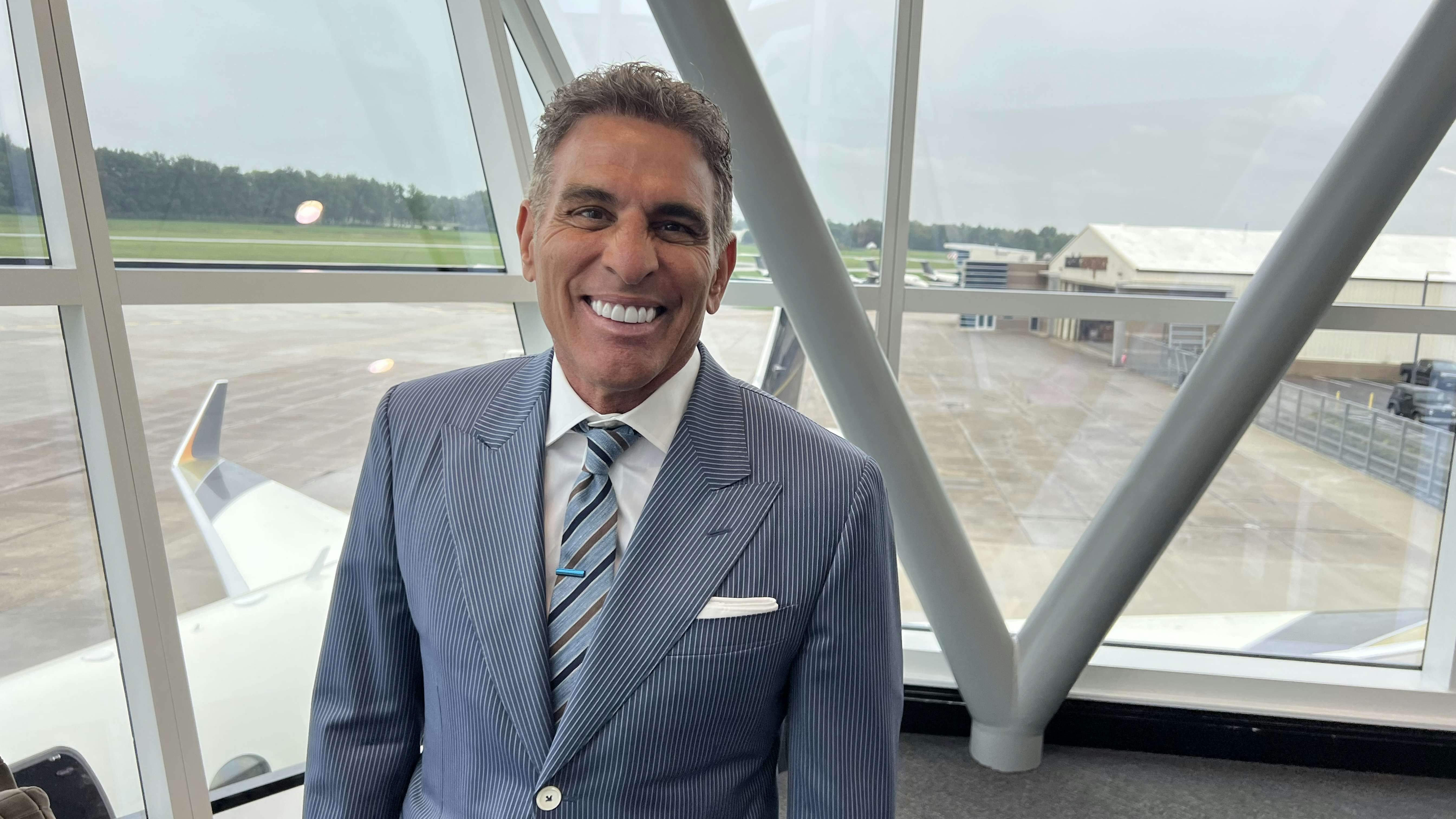
Sentient Jet Chief Revenue Officer Alan Hawley was a professional rugby player and a pilot-cadet at British Airways before moving into tech and software sales for two decades and landing at the jet card unit of Directional Aviation’s Flexjet, Inc., and into the scrum of competing jet card, charter, and fractional programs. He enters the arena as sales continue at record-breaking levels, something Hawley says is driven by growing wealth, spotty airline service, and HNWs’ desire to use private aviation to create more usable hours. After spending his first months talking to customers, Hawley says he sees more opportunities for the inventor of the jet card to fortify its leading position in the market. Below is an edited version of an interview with Hawley.
Alan Hawley Q&A
Q: You came to Sentient Jet after spending much of your career in technology sales. What have you learned since joining private aviation?
Hawley: I spent 25 years in B2B software sales, and my background has always been solution selling. You look at what the customer is trying to achieve, what the cost of not doing something is, and then determine the right solution. I joined Sentient in January, and I’ve spent much of my first eight months talking to customers and understanding why they’re with us, what they value, and why they stay. One of the things we’ve been working on is making sure we’re solution-centric. If a jet card isn’t the right solution, we have other options within the company, whether that’s FXAIR (for charter) or Flexjet (for fractional ownership). We want to make sure we’re solving the customer’s problem rather than simply trying to sell them a particular product. We also have an incredibly experienced team. The average tenure is around 16 years. We’re leveraging that knowledge to understand better what customers need and match them with the right solution.
Q: Has anything surprised you about where your customers are concentrated?
Hawley: Absolutely. Historically, you might look at customers by city or broader geography. We’re starting to look much more closely at individual communities. For example, we found that we have 39 customers in one gated community in Naples, Florida. Instead of thinking about Naples as a market, we’re asking, ‘How do we become part of that community?’ Maybe it’s participating in an HOA welcome-back event when residents return for the season, supporting a local golf event, or local advertising. Our best salespeople are our customers. If we can create opportunities for customers to talk with neighbors about their experiences, that’s much more powerful than us simply showing up and trying to sell somebody a jet card.
Q: What has surprised you about why people fly privately?
Hawley: There are a lot of very human reasons. It could be somebody with a large dog who can’t easily travel commercially. It could involve health issues. And increasingly, we’re seeing business use cases where the value of time becomes very clear. Think about a private equity executive who needs to visit several portfolio companies. Commercially, that might take a week or two. With private aviation, they might accomplish it in one or two days. When you look at the value of that person’s time, the economics become much easier to understand. We’re also seeing younger wealth coming into the market, particularly from technology and AI. People on the West Coast are coming out of IPOs and other liquidity events and looking at private aviation.
Q: What are you seeing in terms of flying patterns and demand this year?
Hawley: We’re seeing more legs and more hours. Our average card value is up more than 15% year over year year-to-date. We’re also seeing longer stage lengths and a move into larger aircraft. Super-midsize is up around 25% year over year. Part of that is business travel coming back strongly. Connectivity is also changing the equation. With technologies like Starlink, an airplane can effectively become an office in the sky. If you can work during the flight and arrive at an airport closer to where you need to be, private aviation can create a significant productivity advantage.
Q: Last year Sentient revenues were around $500 million. What can you tell us about Sentient’s revenue growth in 2026?
Hawley: The top line is growing, but what’s particularly encouraging is how we’re growing. Average card size is increasing, and we’re getting more productivity per salesperson rather than simply adding headcount. We’ve reorganized around regional territories, and we’re putting more emphasis on B2B opportunities and partnerships, including relationships with wealth managers and partners such as Exclusive Resorts. Being part of Directional Aviation (parent of Flexjet and FXAir) also lets us look across the different solutions and make sure we’re putting customers in the right product. The goal is to grow revenue while also becoming more efficient.
Q: What was some of the low-hanging fruit you identified when you arrived?
Hawley: Geography was one. Finding 39 customers in one community is a good example. If everybody owns accounts independently and you’re looking at them individually, you might not recognize that concentration. Moving to regional coverage makes those opportunities much more visible. The other area is B2B. We’re developing repeatable use cases around industries where private aviation can have a measurable impact—manufacturing companies, private equity firms, sports teams and other organizations where saving time has a clear economic value. If we can identify those patterns and build repeatable solutions around them, that’s scalable.
Q: Are there new products coming?
Hawley: Something is coming in the near term that I’m not going to announce yet. Broadly, though, we’re looking at how we can make jet cards more bespoke to what individual customers actually need. One customer might regularly travel with dogs. Another might want a flatbed. Somebody else may fly frequently during the winter or need access to airports with shorter runways. We’ve been doing this for 26 years and have around 7,000 active customers. That gives us a tremendous amount of data. The opportunity is to use that information to create products that better reflect what customers value in terms of access, reliability, and comfort. We’ve found that customers are willing to pay more when they clearly understand the value they’re getting.
Q: NetJets recently restricted sales of jet cards and leases to new customers. With a broker model, are you having any issues sourcing aircraft?
Hawley: No. We’re not seeing availability issues. We’ve built long-standing relationships with our certified operator network, and because of the volume of hours we commit, we have priority with those operators. Consolidation is also happening on the supply side. Operators increasingly want to work with fewer trusted partners, and our scale and the longevity of those relationships benefit us. Our GRP (guaranteed revenue program) network (of charter operators) has also grown, particularly in super-midsize and large-cabin aircraft. That’s important because we’re seeing customers flying longer legs and expecting higher levels of service.
Q: When you speak with customers, what did they tell you Sentient does particularly well?
Hawley: Accessibility came through very strongly. Customers know they can reach somebody. Our (phone) response time is around 15 seconds, and our customer satisfaction is around 97%. Recovery is another big one. Private aviation isn’t immune to mechanical issues or weather disruptions. What matters is what happens when something goes wrong, and customers value knowing that we’ll be there to solve the problem. We’ve also made the experience more convenient through the app and text-to-book capabilities. We want to make sure the way customers interact with us works across different demographics and different preferences.
Q: Are there any surprises?
Hawley: Last year we added cryptocurrency payments. Demand exceeded what I expected. We’re seeing particular interest among younger customers coming from technology and newer sources of wealth. It’s another example of listening to customers and making it easier for them to do business with us in the way they want.
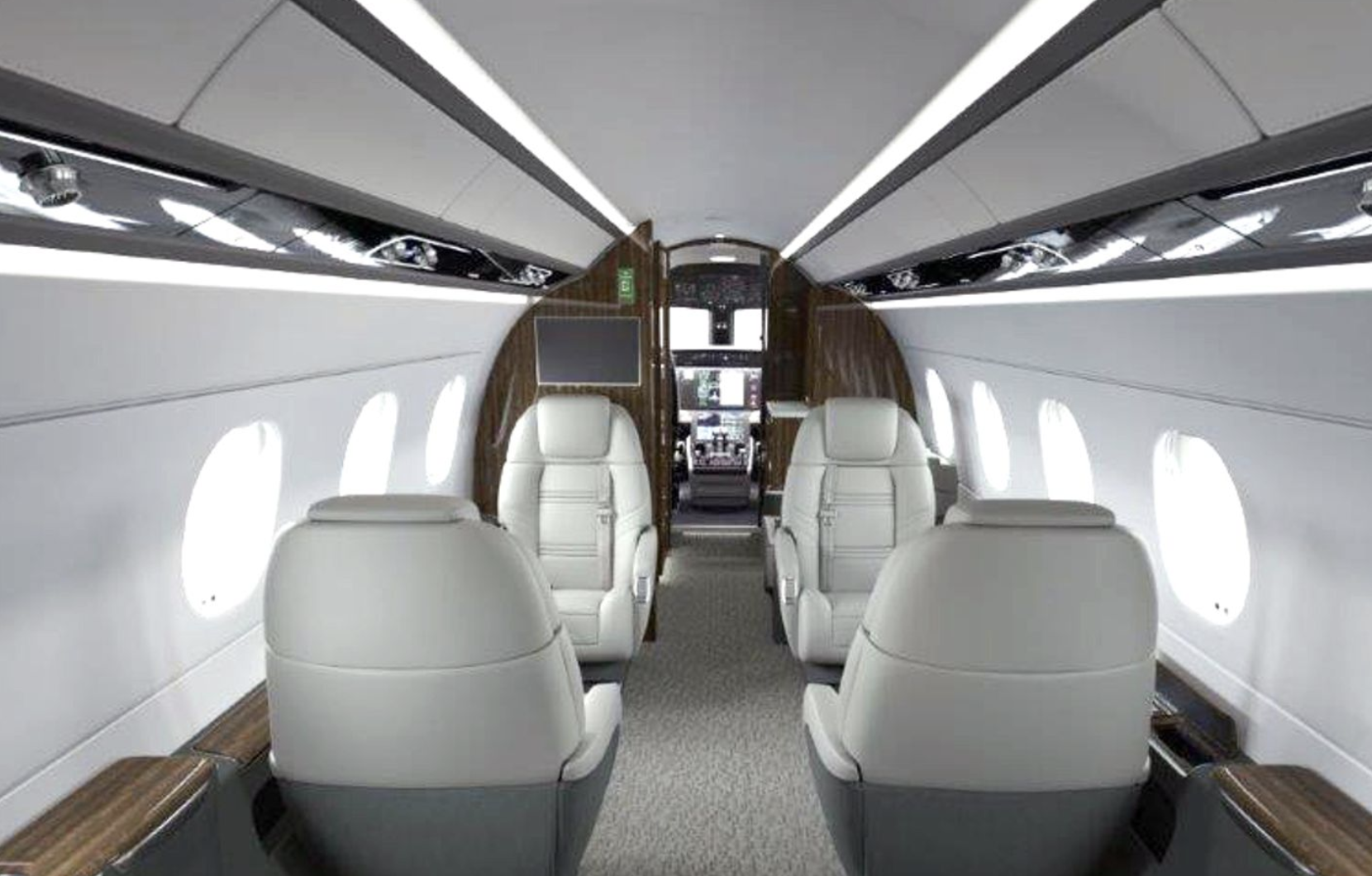
Q: Would Sentient look at offering a Phenom 300 or Challenger 300 jet card as a way of attracting customers who want newer aircraft?
Hawley: It comes down to setting expectations and then meeting them. I’d rather surprise and delight a customer than over-promise something that we can’t reliably deliver. If we can genuinely support a specific aircraft type with enough supply to guarantee it, that’s something we can look at. But we’re not going to make a marketing promise around a particular aircraft and then compromise reliability. We’ve seen customers who bought type-specific products elsewhere and rarely ended up flying on the aircraft they thought they were buying. For us, maintaining long-term trust matters more than creating short-term appeal with a promise we may not be able to fulfill consistently.
Q: Sentient offers customers each year a Nieman Marcus-like catalog of partner benefits with discounts and freebies. Which ones are getting the most interest?
Hawley: Exclusive Resorts continues to be very popular. Our Jackson Hole partnership really took off last winter, and we’re seeing strong interest going into the next season. Golf experiences are also very popular. We’ve had experiences on the West Coast of Ireland that customers have really utilized. Altogether, there’s more than $250,000 in annual partner value available. It’s part of creating what we think of as the Sentient community. The relationship should extend beyond simply getting somebody from one airport to another.
Q: You also have an unusual background for a private aviation executive. You played professional rugby?
Hawley: I did. I played professional rugby, and I’ve always loved the team aspect of sports. A lot of that translates into building and leading sales organizations. Interestingly, I originally wanted to pursue aviation. I was involved with the British Airways pilot program, but that path changed after 9/11. I ended up spending my career in technology sales, and now I’ve come back to aviation with Sentient. It’s been interesting to bring those two parts of my career together.
Q: What’s the biggest change you expect as Sentient continues to grow?
Hawley: I think you’ll continue to see us become more solution-centric. Being part of Directional Aviation lets us look at the customer’s needs and determine whether a jet card, charter, or fractional solution makes the most sense. For us, the objective isn’t simply growth. It’s sustainable growth while maintaining the quality and reliability customers expect.