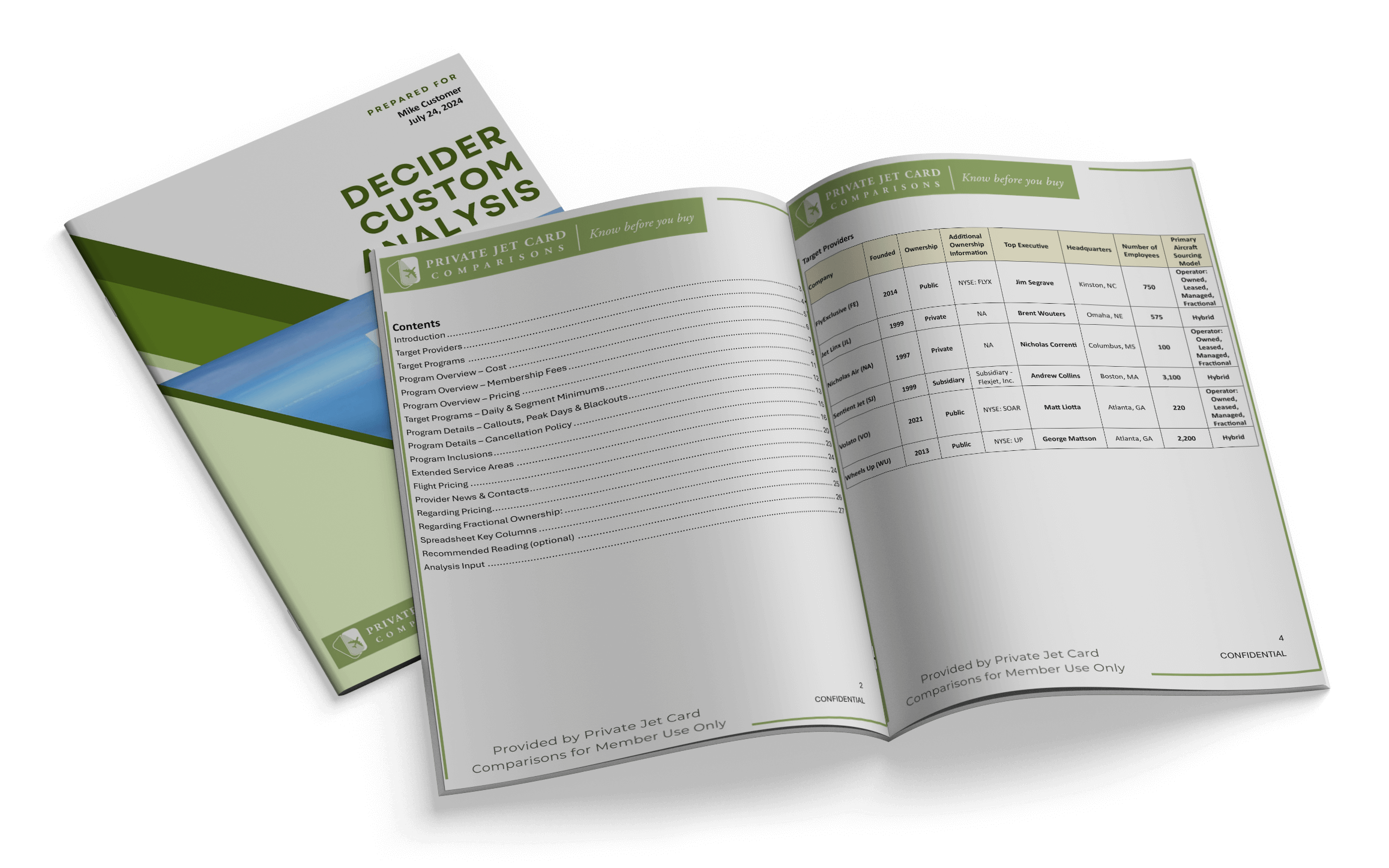
Private Jet Card Comparisons has launched Tips & Tricks, a new editorial channel focused on helping private aviation consumers save money, avoid costly mistakes, and get more from their private flying.
The new section provides practical information for experienced private flyers and consumers new to private aviation.
Unlike buying an airline ticket, comparing private aviation options involves much more than looking at a flight price or an advertised hourly rate.
Two jet cards or membership programs offering similar hourly rates can ultimately produce significantly different costs based on their terms and conditions.
Those differences can also impact where customers can fly, how far in advance they need to book, cancellation policies, aircraft availability, and what happens when their original aircraft becomes unavailable.
Tips & Tricks focuses on those details, with articles covering ways to reduce private jet costs, avoid extra charges, choose airports, understand differences between aircraft, develop booking strategies,s and navigate weather disruptions.
The section also provides advice for flying with pets and explains how policies and contract terms can vary between providers.
Tips & Tricks are integrated into the Private Aviation News page.
![Trips & Tricks]()
Click on the Tips & Tricks button (seen above) to filter just those stories.
Private jet fine print
For charter, fractional, jet card and membership buyers, the fine print can add thousands of dollars to the cost of flying.
Depending on the program, additional charges can include deicing, Wi-Fi, catering, pets, fuel surcharges, FBO fees, high-density airport charges and international fees.
Other differences can be less obvious.
Programs use different methods for calculating billable flight time, including varying amounts of taxi time.
Daily and segment minimums can make shorter flights more expensive, while interchange fees can increase costs when customers upgrade or downgrade to a different aircraft category.
Peak-day policies are another area where seemingly similar programs can differ significantly.
Providers can impose longer booking and cancellation deadlines during high-demand periods, as well as surcharges and extended minimum flight times.
Some programs also restrict guaranteed availability or fixed pricing during peak periods.
Understanding those differences can be particularly important for flyers spending tens or hundreds of thousands of dollars annually on private aviation.
Avoiding private jet mistakes
Tips & Tricks goes beyond pricing to examine potential pitfalls before and after buying a private aviation program.
Topics include how to evaluate jet card marketing claims, what happens when a private aviation provider fails, and ways consumers can protect themselves against scams, bankruptcies, and shutdowns.
Current articles include:
The section also addresses everyday decisions that can impact the private flying experience.
Knowing which airport to use can reduce ground transportation time or avoid additional fees.
Selecting the right aircraft category can provide more baggage space or cabin comfort without paying for capabilities you don’t need for a particular trip.
The goal is to answer not only the questions private flyers have, but also the questions they may not realize they should be asking.
Tips & Tricks complements Private Jet Card Comparisons’ existing coverage of jet cards, memberships, fractional ownership, and on-demand charter by focusing on practical ways consumers can make smarter decisions before they buy and after they start flying.