6 small changes that have a big impact on your final private jet flight cost
January 8, 2023
As the U.S./Israel -Iran war continues, fractional, jet card, ad hoc private jet charter flyers will all see the impact of spiking oil prices.
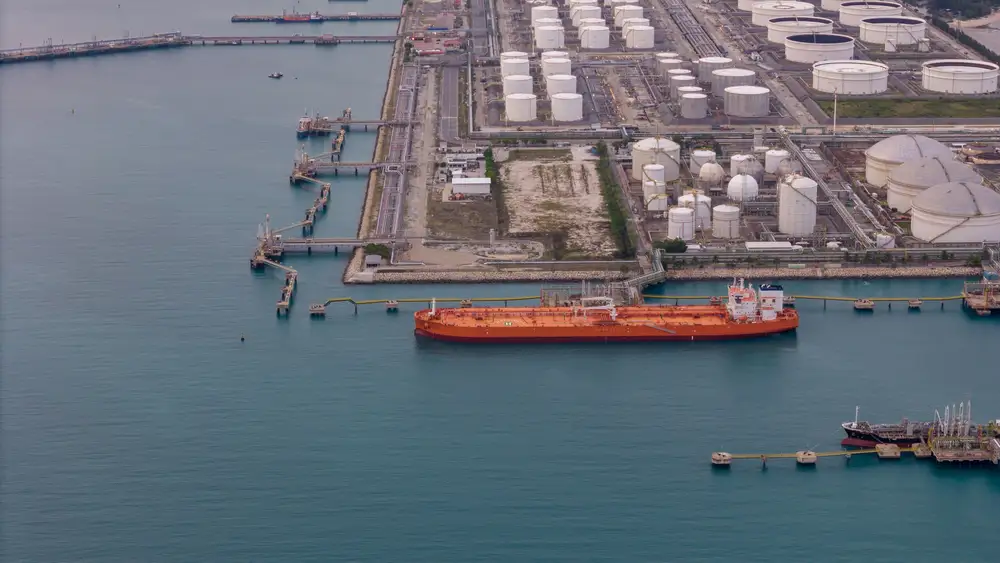
Fractional private jet owners, jet card members, and ad hoc charter flyers should all brace for the impact on jet fuel prices from the U.S./Israel war with Iran.
Baker Aviation President Tim Livingston posted on social media yesterday, “Jet fuel pricing to the ultimate user is going up 30% next week.”
He asked his followers, mainly charter brokers and other operators, “How will you respond? Absorb it, or pass it on?”
Baker Aviation, which doesn’t have a retail program but sells flights through brokers, is the 10th-largest U.S. operator by charter and fractional flight hours.
For members of fractional programs, jet card memberships, and even those who have ad-hoc charter flights on the books, the answer is to check your contract.
Fractionals typically update what’s called a fuel variable each month.
Jet card contracts vary significantly.
Some contracts update fuel surcharges weekly, while others do so monthly.
Others change the fuel surcharges at their discretion.
There are different formulas, generally based on when the price of fuel exceeds a certain target.
Different providers also use different sources to measure jet fuel costs, including IATA and Gulf Coast Jet Kerosene.
The surcharge is generally what is in effect on the date of your flight, so if your flight is in the first week of April, you may have to wait to figure it out.
Since jet fuel prices had generally been below the trigger for some programs, the fact that there hasn’t been a fuel surcharge may not mean one is headed your way.
Check your contract!
What if there is no mention of a fuel surcharge in your contract?
Legal experts say that, for the most part, force majeure clauses cannot be used to impose a charge that wasn’t already there.
However, some contracts allow significant latitude to make changes.
Lead time to implement unilateral changes can range from immediate to a month.
Again, it’s a good time to pull out that contract.
Following the Jet It failure in 2023, Soar Aviation’s Amanda Applegate offered an extensive post-mortem.
Many Jet It fractional contracts did not include a provision for fuel surcharges.
Applegate said at the time, “It’s very difficult to have a program that has fuel fixed.”
She adds, “Fuel is the variable that you can’t control, and so if you’re going to fix fuel, you’re taking, as the operator, taking on a whole lot of risks that you can’t control.”
What about ad hoc charter flights?
Following Russia’s invasion of Ukraine in 2022, many charter operators and brokers updated their contracts.
They added language covering changes to jet fuel prices after you book.
The gist was that flights booked more than a specified number of days in advance would incur fuel surcharges if jet fuel prices increased.
The idea was to protect from something like the current war, which wasn’t anticipated when they set the price.
To add to the confusion, broker contracts often stipulate that the broker’s contract with the operator supercedes your contract with the broker when the two conflict.
In other words, make sure to ask your broker if your upcoming flight is subject to a fuel surcharge.
Baker Aviation’s Livingston outlined how the spike in oil prices is affecting its flight quote pricing.
He wrote, “We fly about 40 live trips (trips with passengers, not empty repositioning legs) a day.”
He said the average customer flies once per month.
Livingston continued, “A 30% increase in fuel prices wipes out 50% of our net profit.”
Baker, he says, has already begun quoting future trips at $300 per hour higher based on direct operating costs.
He added, “We will pass the increase along via same-day fuel surcharges for already booked trips.”
Livingston warned others to assess how increased jet fuel prices will hit their bottom lines.
“Nobody becomes successful by subsidizing luxury jet travel, especially when we have to pay for 40 trips a day, and the users of the system are paying for one per month on average,” he posted.
Livingston wrote, “There is no need to feel responsible for holding the prices down; let the users pay for what they are using.”
He predicted, “If you have a managed fleet and pass on the losses to the owner because you don’t collect it on the front end for charter trips, you won’t have a fleet in April.”
If your flight provider sees its insurance costs rise, you could end up footing the bill.
Aero Law Center’s Stewart Herman says, “If premiums rise, the manager is permitted to pass the increase along to the (fractional) owners.”
Longer flight times to avoid conflict areas for travelers going between Europe and Southeast Asia will mean higher flight costs.
Most charter contracts allow post-flight billing if the flight time exceeds the estimated time.
Shackelford Law’s David Mayer says that where you can fly in your program can be altered.
That’s even if your destination is part of the guaranteed primary service area.
Turning down your flight request can be for a variety of reasons.
Flight providers can cite travel advisories, insurance, or company safety decisions.
Mayer sums it up.
He says, “Each traveler under a jet card or fractional share program should check the terms of prohibitions on travel, increased fuel costs charges, and increased insurance premium charges, and when these charges may be imposed, whether you fly or not.”
READ: You have the right to an attorney. A select list of private aviation attorneys


Find the perfect solution for your private aviation needs
Save Time. Buy Confidently.
Receive an apples-to-apples comparison of programs that meet your needs from more than 500 jet card and fractional options covering 65 points of differentiation and over 40,000 data points.