Piaggio was originally founded in Genoa by Rinaldo Piaggio in 1884. The company initially built industrial machinery and railroad equipment. However, during World War I, the company shifted its focus to building aircraft and engines for the Italian military. Piaggio built several notable aircraft, including the P.6.
During World War II, the company produced several new aircraft, including the P.108, a four-engine strategic bomber. However, during World War II, many Piaggio factories were severely damaged by wartime bombing. By the end of the war, much of the company’s existing infrastructure had been destroyed.
Additionally, after World War II, Italy’s aviation industry collapsed under economic hardships. Because of this, Piaggio briefly pivoted away from aircraft production to develop the Vespa in 1946, one of the most iconic scooters in history.
By the 1960s, Piaggio had gradually rebuilt its aerospace capabilities through support and maintenance contracts. In 1960, the company secured a production license for the Rolls-Royce Viper turbojet engine and subsequently began manufacturing jet engines. By the mid-1960s, the company had developed its first jet-powered aircraft, the Piaggio PD.808 business jet.
Additionally, in 1964, the company split into two separate companies: one focused on aerospace and aviation development and one focused on the continued production of the Vespa and other consumer products.
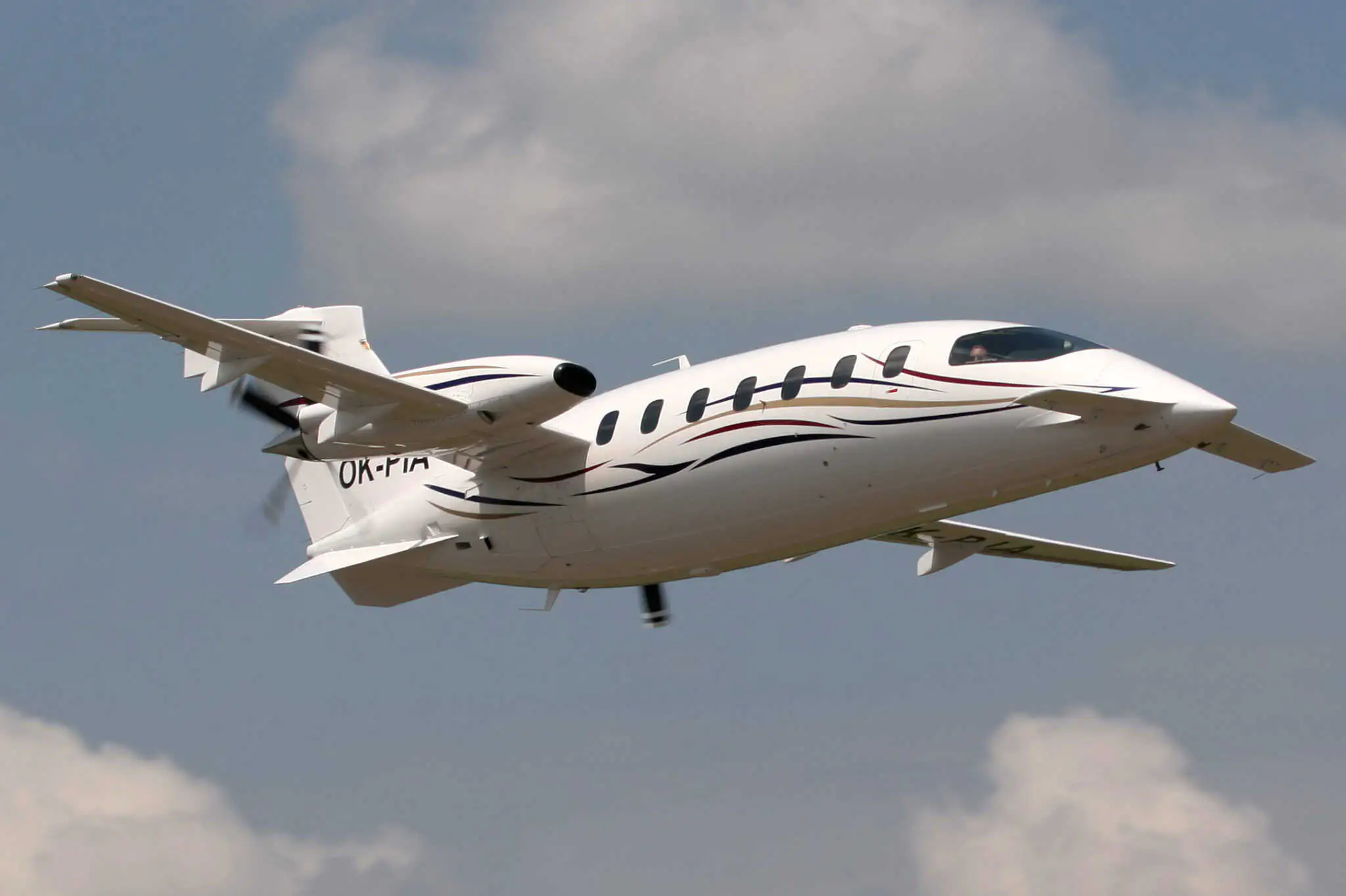
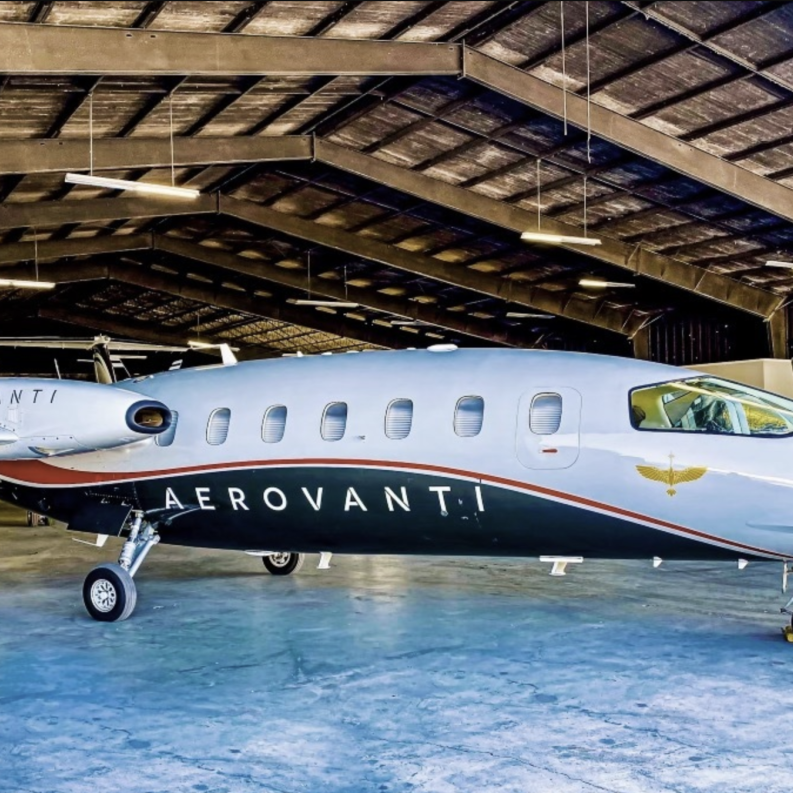
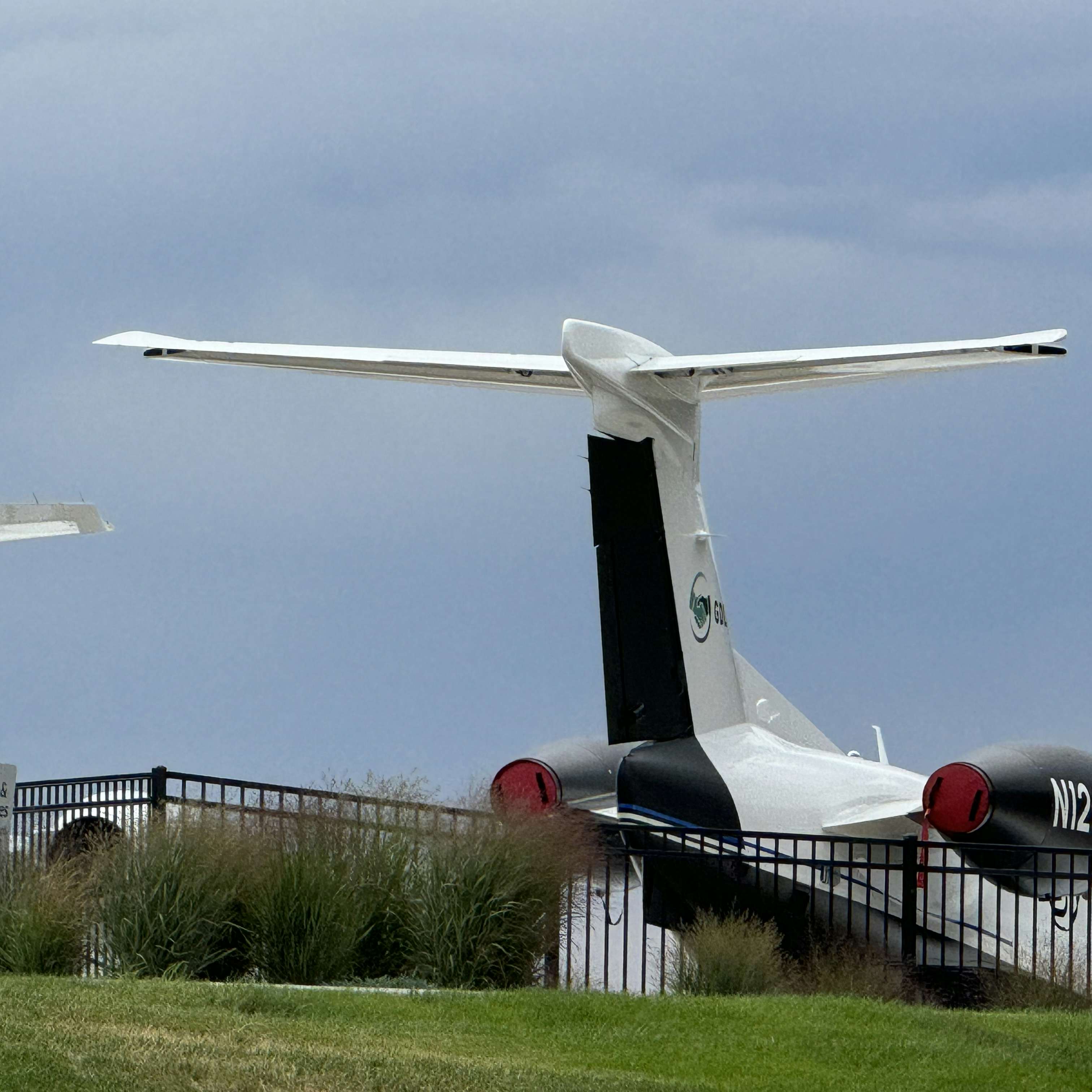
During the 1980s, Piaggio began work on its next-generation business aircraft, the Piaggio P.180 Avanti. The Avanti featured two pusher turboprop engines and a canard wing on the forward fuselage. This aircraft was officially type certified in 1990.
However, the 1990s brought strong competition in the business aviation industry, driving Piaggio into a financial crisis and eventually bankruptcy. During the 1990s, Piaggio’s ownership went through multiple changes. In 1998, the Turkish holding company Tushav announced it had taken control of Piaggio, rebranding the company as Piaggio Aero Industries.
However, by 2000, Tushav surrendered its majority share in Piaggio Aero Industries, leading several new Italian investors to buy into the company. This included a large stake acquired by a group of investors led by Josè Di Mase and Piero Ferrari.
In the 2000s, the company stabilized financially, eventually launching the Avanti II in 2005. In 2006, the Abu Dhabian Mubadal Development Company acquired a 35% stake in the company. Just two years later, the Indian conglomerate Tata Group acquired a one-third stake in the company, becoming an additional primary shareholder.
In the late 2000s, Piaggio was greatly affected by the Great Recession. The company that once produced 30 Avantis per year slowed production to only four per year by 2018. Even so, the company introduced an extended-range model of the Avanti in 2013. To help offset the development costs, Piaggio launched several new programs in the special missions sector, including a maritime patrol variant of the Avanti. At this time, the company also received additional funding from the Mubadala and Tata investment groups.
In 2014, Piaggio formally announced the Avanti EVO and underwent a rebrand to Piaggio Aerospace. However, by 2018, the company was struggling financially again. Later that year, the company was admitted into receivership and declared itself insolvent. After undergoing several operational changes under management by receivership proceedings, the company was eventually restructured. In 2024, Baykar Technologies took ownership of Piaggio Aerospace.