The world’s biggest private jet flight provider – NetJets – got significantly bigger in the first 60 days of 2026.
According to a fleet update on its website, NetJets added a net 19 aircraft to its fleet during the first two months of the year.
NetJets and NetJets Europe now have 845 private jets.
That’s up from 826 aircraft in December and 781 in February 2025.
These numbers include retirements.
Biggest NetJets Fleets
Which fleet was the biggest winner?
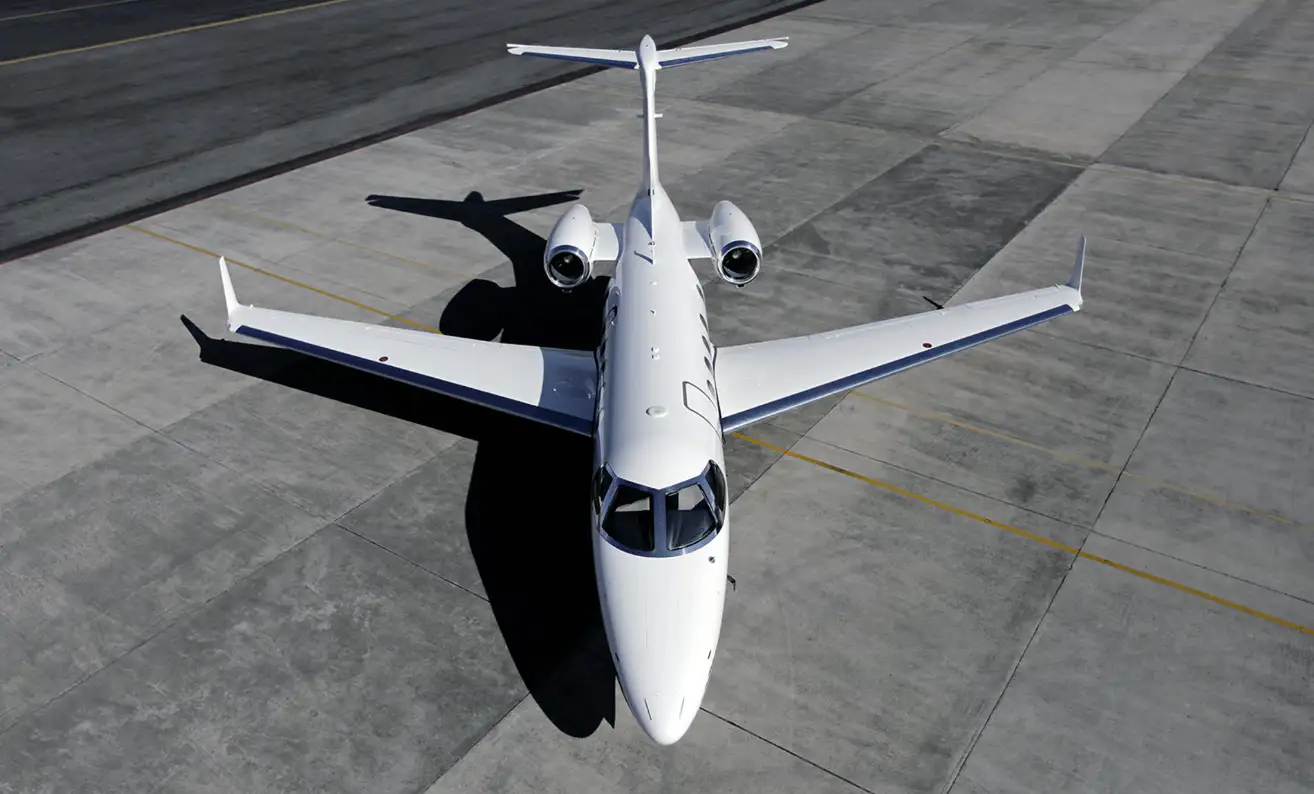
The Phenom 300 fleet increased by seven.
That gives NetJets a fleet of 162 Embraer light jets.
Textron Aviation’s Cessna was the next-most-popular addition, with two entries.
Latitudes increased by four tails to 259 tails.
There are now 91 Longitudes, also a net gain of four units.
Praetor 500s increased by three tails, so there are now 13 in the fleet.
Bombardier contributes a pair of Challenger 3500s and two more Challenger 650s.
There was also a gain of one Global 5500 and a Global 7500.
Deliveries By OEM
NetJets has said they expect to add around 80 new private jets this year.
Worldwide, 854 new private jets were delivered last year.
If we assume no Phenom 300s exited the fleet, Embraer was the biggest winner in terms of unit deliveries with 10 aircraft so far in 2026.
With the same assumption about aircraft types coming and going, Textron Aviation delivered eight aircraft to NetJets.
Bombardier would have had six deliveries.
Overall, Textron Aviation represents just over half the fleet with 424 aircraft.
Bombardier has 239 of its private jets flying for NetJets.
Embraer’s aircraft represent 175 tails in the fleet, as of March 2026.
READ: New Private Jet deliveries by manufacturer (2000 to 2025)
Say Goodbye
Of course, some fleets are being retired.
Its Excel/XLS fleet dropped by four tails to 51.
In December, it ended sales of its jet card on the fleet.
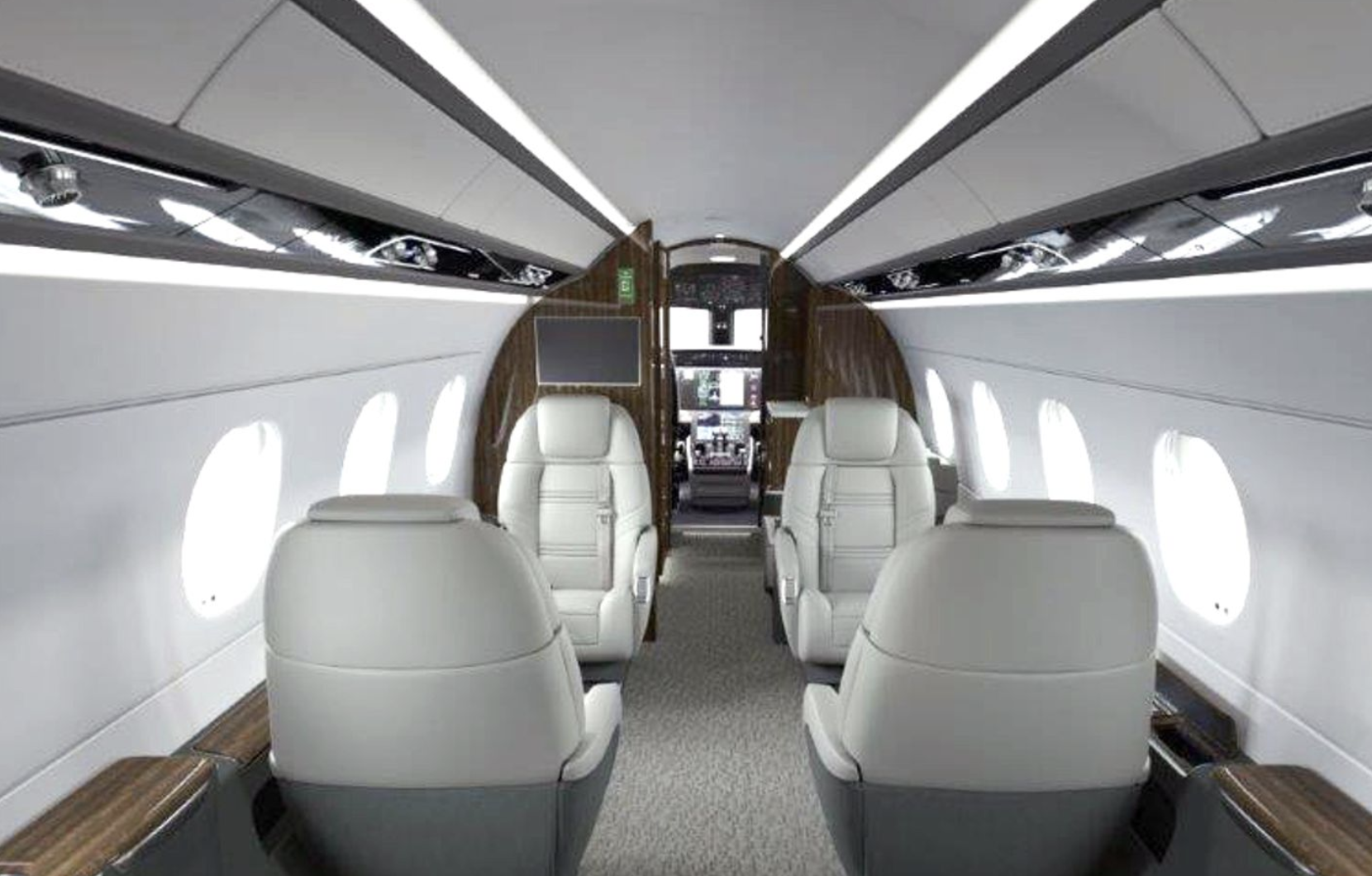
That fleet will be replaced by the new flat-floor cabin Ascend.
Sovereigns also saw their fleet dip by one tail to 23.
The Dassault Falcon 2000s, which fly in Europe, stayed flat at seven.